Remote-service workflow
Broadband and business-development sources point to a workflow that reduces wasted travel and improves customer proof.
Collect photos, site details, customer readiness, payment method, and location constraints before travel.
Group routes, confirm weather and access, and reserve time for remote exceptions.
Use service notes, photos, signatures, and payment records to reduce disputes and repeat questions.
Review broadband, ACOA, and provincial program links before upgrading systems, connectivity, or field tools.
Source basis: ISED broadband, CRTC, Government of Newfoundland and Labrador
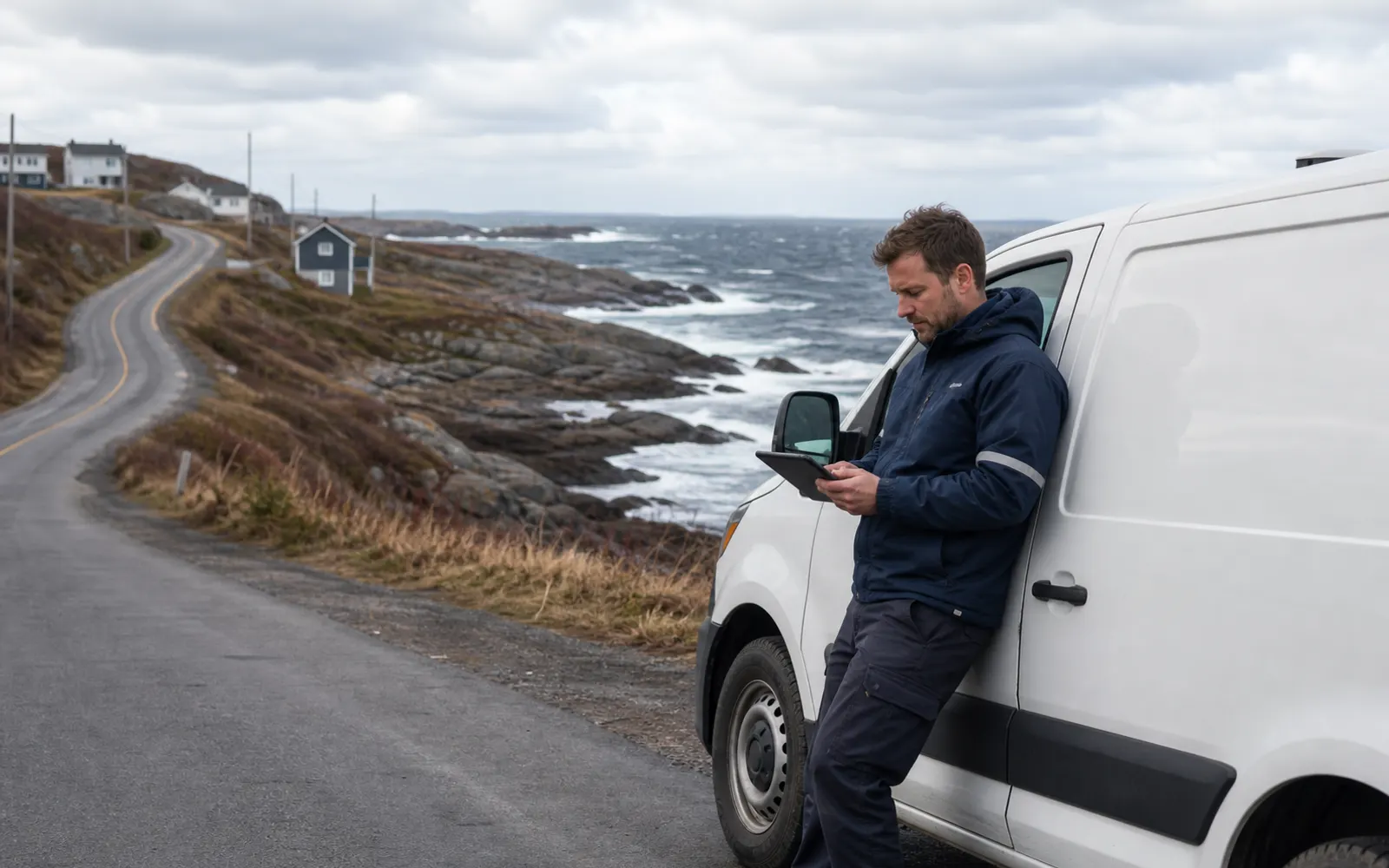
Distance changes everything for service businesses. Whether the firm handles repairs, inspections, consulting, maintenance, training, or supplies, travel time and coordination can quietly erode margin.
The practical advantage is not a flashy technology stack. It is the ability to quote accurately, schedule realistically, collect deposits, confirm readiness, document work, and communicate status before a crew or owner spends hours on the road.
Even basic digital adoption can pay back quickly: structured intake forms, photo uploads, payment links, route planning, service history, and automated reminders. The goal is fewer wasted trips and fewer disputes after the work is done.
Remote markets often reward trust. Businesses that make the process visible and reliable can turn geography from a disadvantage into a defensible service model.
Government links used for this briefing
These links point to federal, provincial, territorial, municipal, intergovernmental, or official data sources. Readers should confirm current eligibility and deadlines directly with the issuing government before applying.
Official ACOA page for Atlantic Canada business growth, startup, export, equipment, and community supports.
Provincial / ProgramBusiness development supportGovernment of Newfoundland and LabradorProvincial Business Growth Program source for projects that help businesses start, innovate, scale, and improve sales.
Federal / ProgramUniversal Broadband FundInnovation, Science and Economic Development CanadaFederal broadband program source for rural and remote connectivity projects.
Federal / ProgramBroadband FundCanadian Radio-television and Telecommunications CommissionOfficial CRTC source for broadband funding and connectivity information.