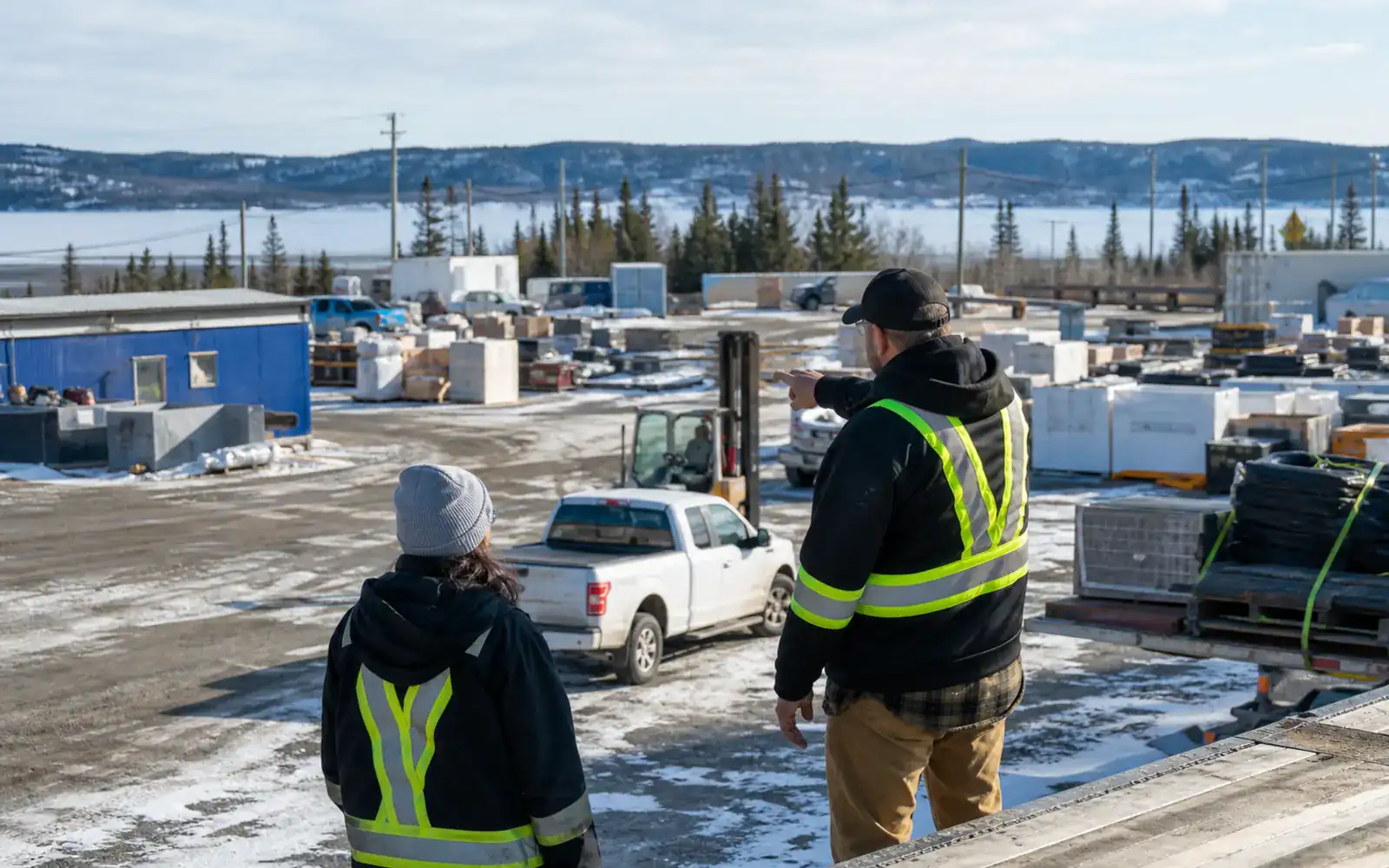
Northern tender-readiness diagram
Official procurement and territorial program links frame what suppliers need before pursuing public work.
Use official procurement portals and territorial contract-opportunity pages instead of second-hand listings.
Build freight, weather, mobilization, staffing, and payment timing into the bid before final pricing.
Maintain licences, insurance, safety records, references, and Indigenous/local business credentials.
Review SEED, CanNor, and Business Benefits Finder for capacity-building or expansion support.
Source basis: CanadaBuys, CanNor, Government of Northwest Territories
Northern procurement is not solved by preference language alone. A local firm may have the relationships, knowledge, and commitment to deliver, but still face hurdles around bonding, insurance, reporting, cash flow, freight timing, and staff availability.
Buyers that want more local participation need to design tenders around realistic delivery. That can include phased scopes, clear payment terms, supplier briefings, reasonable insurance requirements, and enough lead time for remote logistics.
For businesses, the work is readiness. Owners need document libraries, safety records, references, pricing templates, subcontractor lists, and a clear answer for how they will deliver when weather, freight, or staffing changes.
The opportunity is larger than any one contract. Each successful local supplier strengthens future capacity, keeps money closer to the community, and gives public buyers more resilient options.
Government links used for this briefing
These links point to federal, provincial, territorial, municipal, intergovernmental, or official data sources. Readers should confirm current eligibility and deadlines directly with the issuing government before applying.
Official federal procurement guidance for businesses preparing to sell to the Government of Canada.
Federal / ProgramCanNor Expression of Interest for funding projectsCanadian Northern Economic Development AgencyOfficial CanNor funding intake guidance for businesses and organizations in the territories.
Territorial / ProgramSupport for entrepreneurs and economic developmentGovernment of Northwest TerritoriesTerritorial SEED program source for business planning, startup, expansion, and sector support.
Territorial / ProcurementContract opportunitiesGovernment of Northwest TerritoriesOfficial territorial procurement source for businesses looking for GNWT contract opportunities.