Equipment-finance readiness diagram
Federal and provincial sources point operators toward matching equipment commitments with eligible financing and seasonal use.
Tie purchases to signed or probable work, service windows, maintenance exposure, and backup capacity.
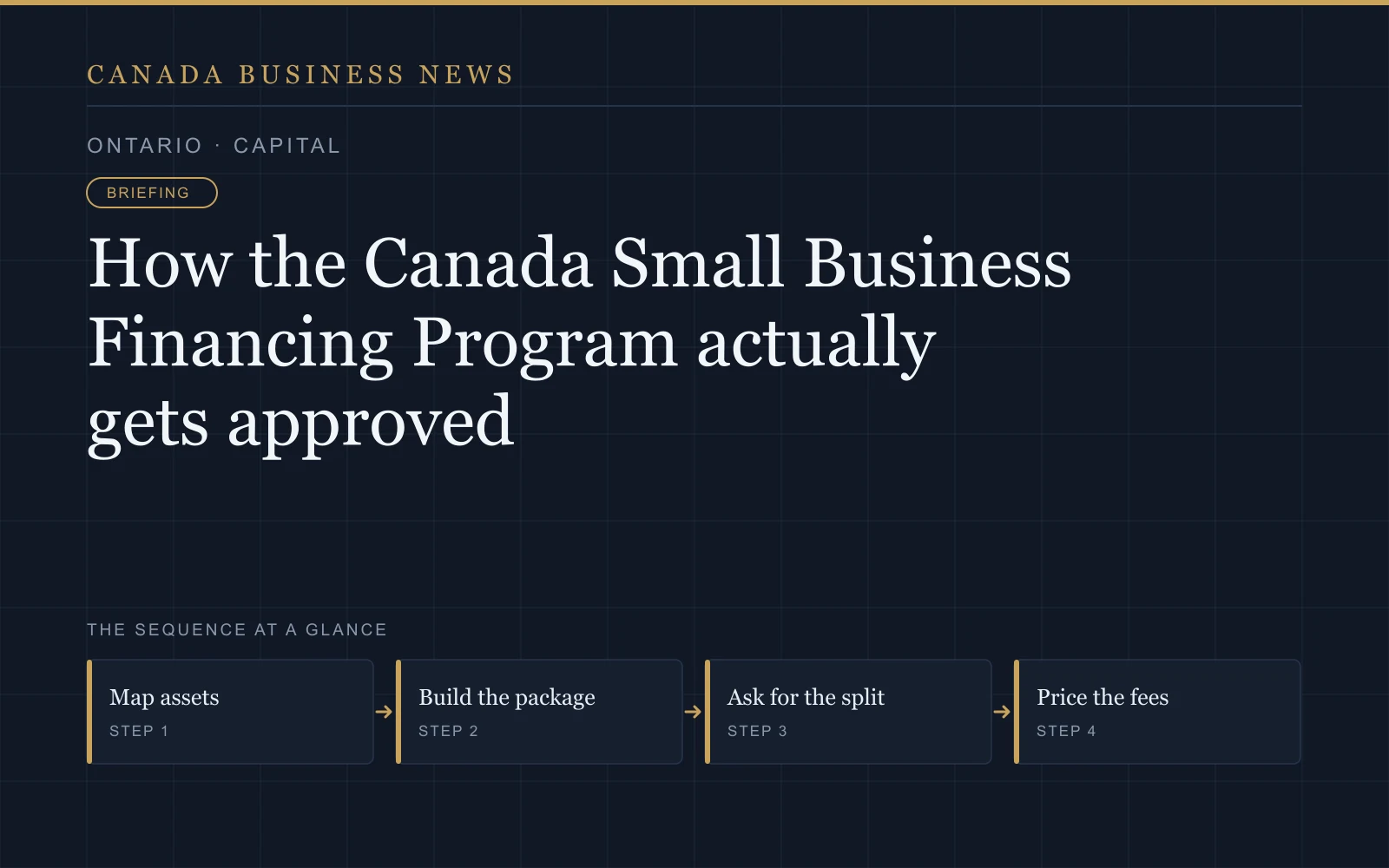
Check CALA for eligible agricultural borrowers and CSBFP for eligible small-business asset financing.
Review PrairiesCan programs for scale-up, productivity, innovation, tourism, AI, or tariff-related adaptation.
Use Saskatchewan business resources for registrations, sector programs, and current provincial requirements.
Source basis: AAFC, ISED, PrairiesCan, Government of Saskatchewan
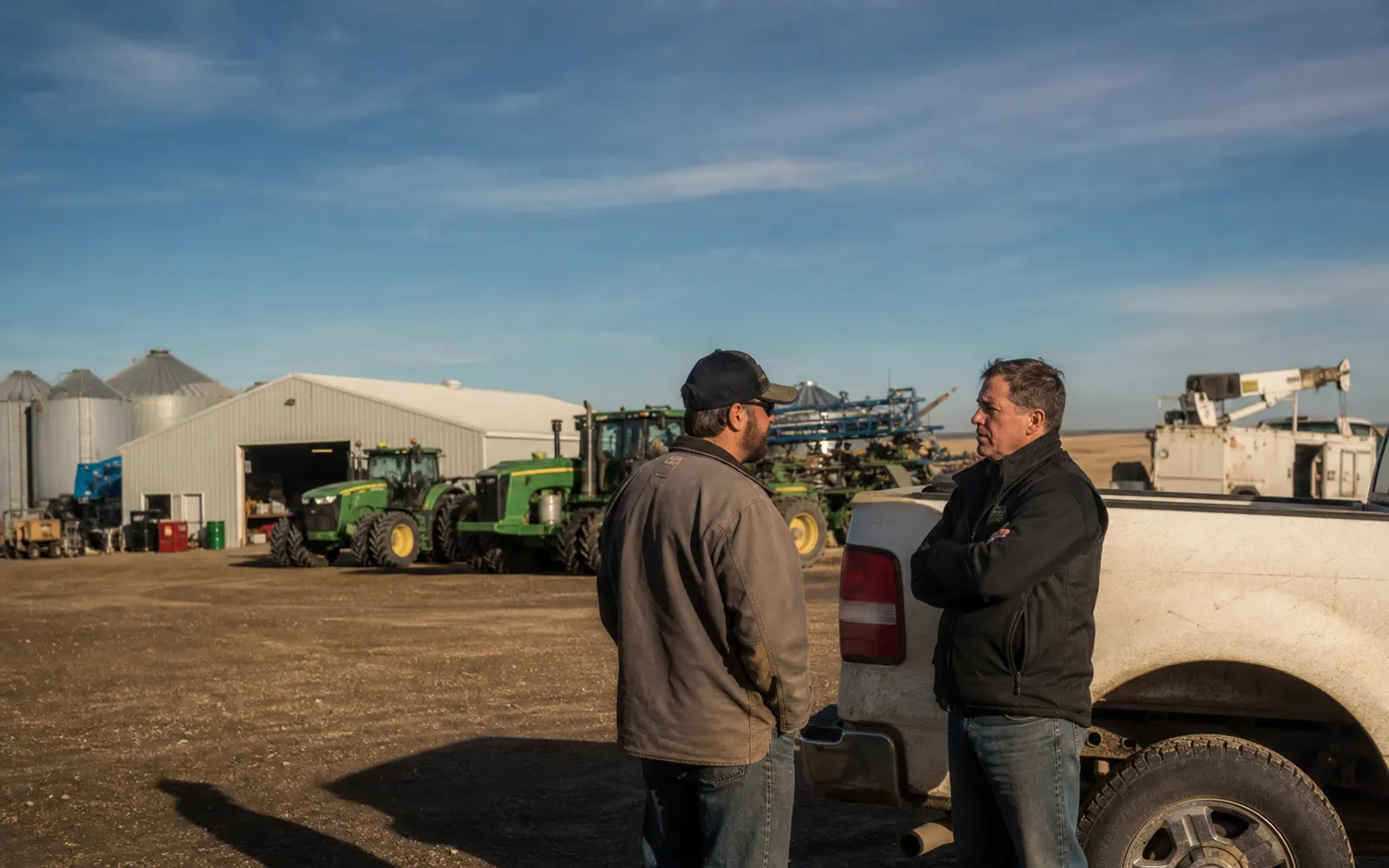
Rural service businesses often carry the hardest-working balance sheets in Canada. A small operator may need trucks, trailers, specialized attachments, shop tools, diagnostic systems, and field crews long before revenue arrives from a major seasonal window.
The temptation is to finance equipment around optimism. The stronger approach is to tie every major purchase to utilization, contract probability, maintenance exposure, replacement access, and resale value.
This matters because downtime is not neutral. When an asset fails during a narrow work window, the operator may lose margin, reputation, and crew efficiency at the same time. Financing that ignores redundancy can look cheap until the first missed week.
Lenders and dealers who understand this rhythm can win loyalty. The best conversations will focus on equipment mix, service support, seasonal cash flow, and the owner's actual job pipeline rather than only sticker price and rate.
Government links used for this briefing
These links point to federal, provincial, territorial, municipal, intergovernmental, or official data sources. Readers should confirm current eligibility and deadlines directly with the issuing government before applying.
Federal loan-guarantee program for farmers and agricultural co-operatives, including equipment-related financing.
Federal / ProgramCanada Small Business Financing ProgramInnovation, Science and Economic Development CanadaFederal loan-guarantee program supporting eligible small-business financing for assets and improvements.
Federal / ProgramFunding for businesses and not-for-profits in the Prairie provincesPrairies Economic Development CanadaFederal regional-development funding programs for Alberta, Saskatchewan, and Manitoba.
Provincial / ProgramBusiness and industryGovernment of SaskatchewanProvincial business portal for Saskatchewan operators seeking programs, registrations, and sector resources.