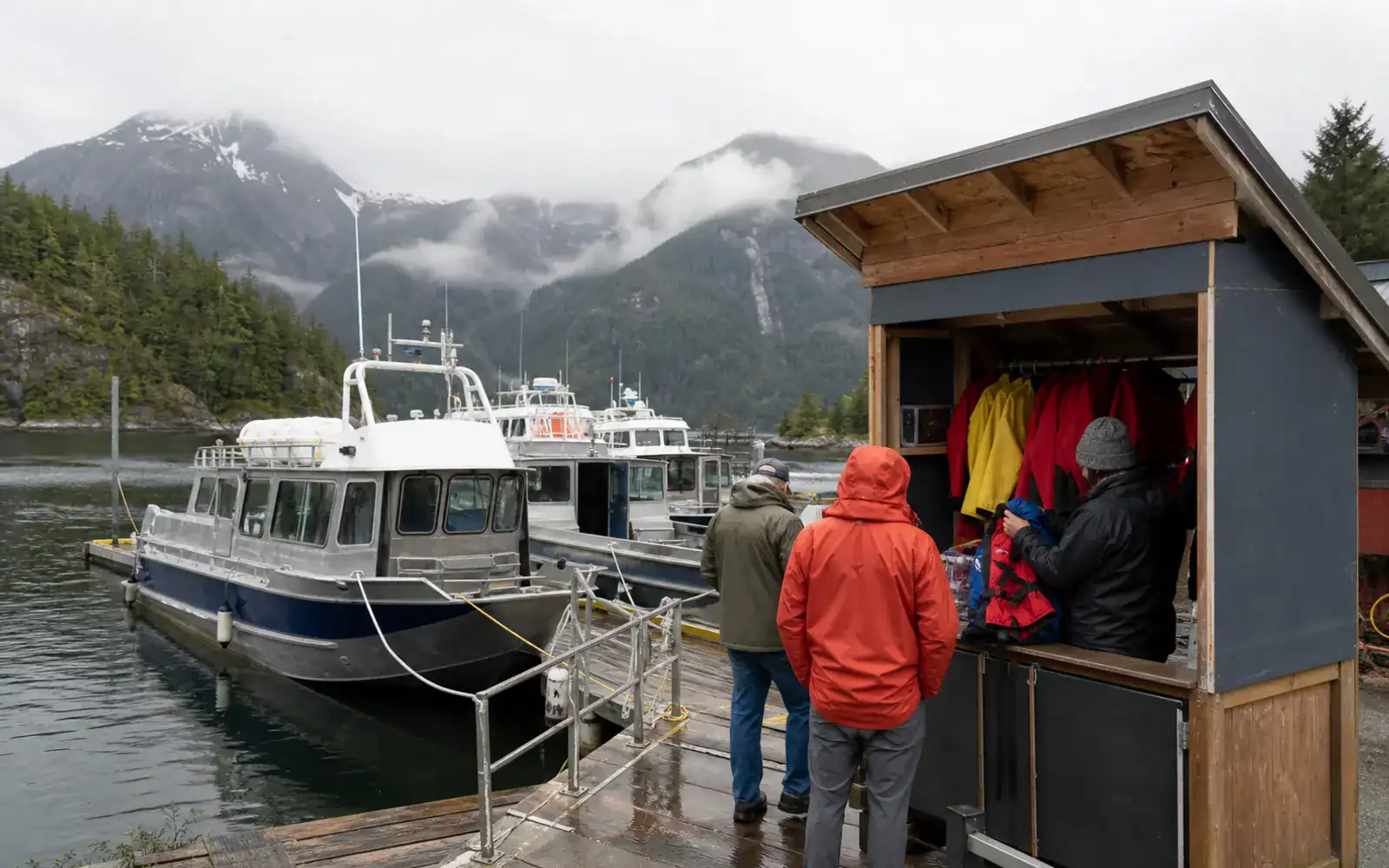
Seasonal operating diagram
A source-backed planning view for tourism operators using B.C. business resources, PacifiCan funding, and municipal requirements.
Check provincial funding, municipal licences, permits, and staffing needs before deposits and supplier orders peak.
Use booking policies, deposits, and cancellation rules to protect payroll and supplier cash timing.
Model lower-volume offers separately from peak pricing rather than averaging the full season.
Review PacifiCan and B.C. program pages before committing to upgrades, equipment, or tourism product development.
Source basis: Government of B.C., PacifiCan, City of Vancouver
Tourism is often described as a demand story, but for small operators it also functions as a capacity and cash-flow story. A lodge, tour company, cafe, outfitter, or local transportation firm can be fully booked and still feel pressure if labour, insurance, fuel, food, and maintenance costs outrun pricing.
The old habit of waiting until peak season to learn whether prices were right is too risky. Operators need to segment advance bookings, weekend demand, shoulder-season offers, group packages, and last-minute availability with more discipline.
Deposits and cancellation rules deserve the same attention as menu prices or room rates. A generous policy may lift conversion, but it can also transfer weather and travel uncertainty back onto the owner at the worst moment.
The opportunity is operational clarity. Businesses that know their minimum profitable booking, staff break-even point, and weather-contingency offer can protect margin without simply raising prices across the board.
Government links used for this briefing
These links point to federal, provincial, territorial, municipal, intergovernmental, or official data sources. Readers should confirm current eligibility and deadlines directly with the issuing government before applying.
Federal regional-development funding programs for British Columbia businesses and organizations.
Provincial / ProgramResources and support for businesses and entrepreneurs in B.C.Government of British ColumbiaProvincial source for B.C. business registration, programs, contacts, and grant-search guidance.
Provincial / ProgramFunding and grantsGovernment of British ColumbiaProvincial funding and grants page for economic development programs.
Municipal / ProgramSmall businessCity of VancouverMunicipal source for Vancouver small-business licensing, supports, and local operating resources.