Reliability service chart
A practical logistics chart grounded in procurement and Manitoba business-development sources.
Define the routes, weather exposure, rural addresses, and customer constraints where local operators have an advantage.
Keep insurance, safety, licences, delivery history, references, and service standards ready for tenders and customers.
Productize communication: pickup windows, delay notices, proof of delivery, escalation, and receiving notes.
Check PrairiesCan and Manitoba sources for productivity, trade, and modernization support.
Source basis: PrairiesCan, CanadaBuys, Government of Manitoba
Logistics is often portrayed as a scale game. For Manitoba's smaller carriers, warehouses, couriers, and service providers, the better opening is reliability in lanes where local knowledge matters.
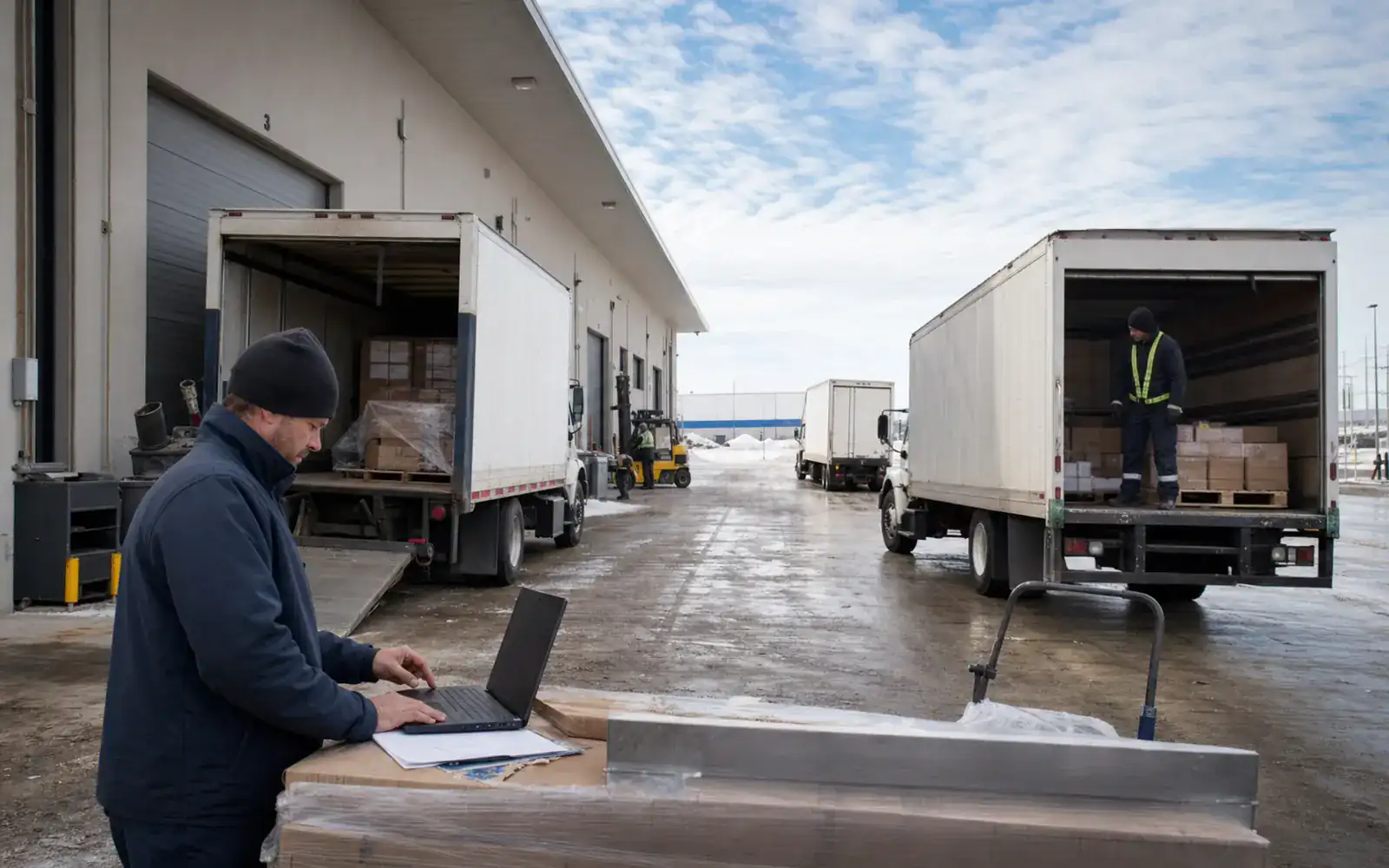
A customer does not only buy movement. They buy fewer surprises. They want clear pickup windows, honest updates, responsive exception handling, and a provider who understands weather, rural addresses, receiving constraints, and the true cost of delay.
That reliability can be packaged. Operators should define lane strengths, service promises, response times, documentation standards, and escalation rules. A simple customer portal or dispatch update can create more value than a complicated software stack nobody uses.
The small-firm advantage is proximity to the problem. Owners who turn that into a repeatable service promise can defend margin against larger competitors who compete mainly on rate cards.
Government links used for this briefing
These links point to federal, provincial, territorial, municipal, intergovernmental, or official data sources. Readers should confirm current eligibility and deadlines directly with the issuing government before applying.
Federal regional-development funding programs for Alberta, Saskatchewan, and Manitoba.
Federal / ProcurementPreparing to sell to governmentCanadaBuysOfficial federal procurement guidance for businesses preparing to sell to the Government of Canada.
Provincial / ProgramBusiness, mining, trade and job creationGovernment of ManitobaProvincial department source for Manitoba business, trade, investment, and economic-development programs.
Municipal / PermitDoing businessCity of WinnipegMunicipal source for Winnipeg small-business resources, licensing, permits, tax incentives, and local operating information.